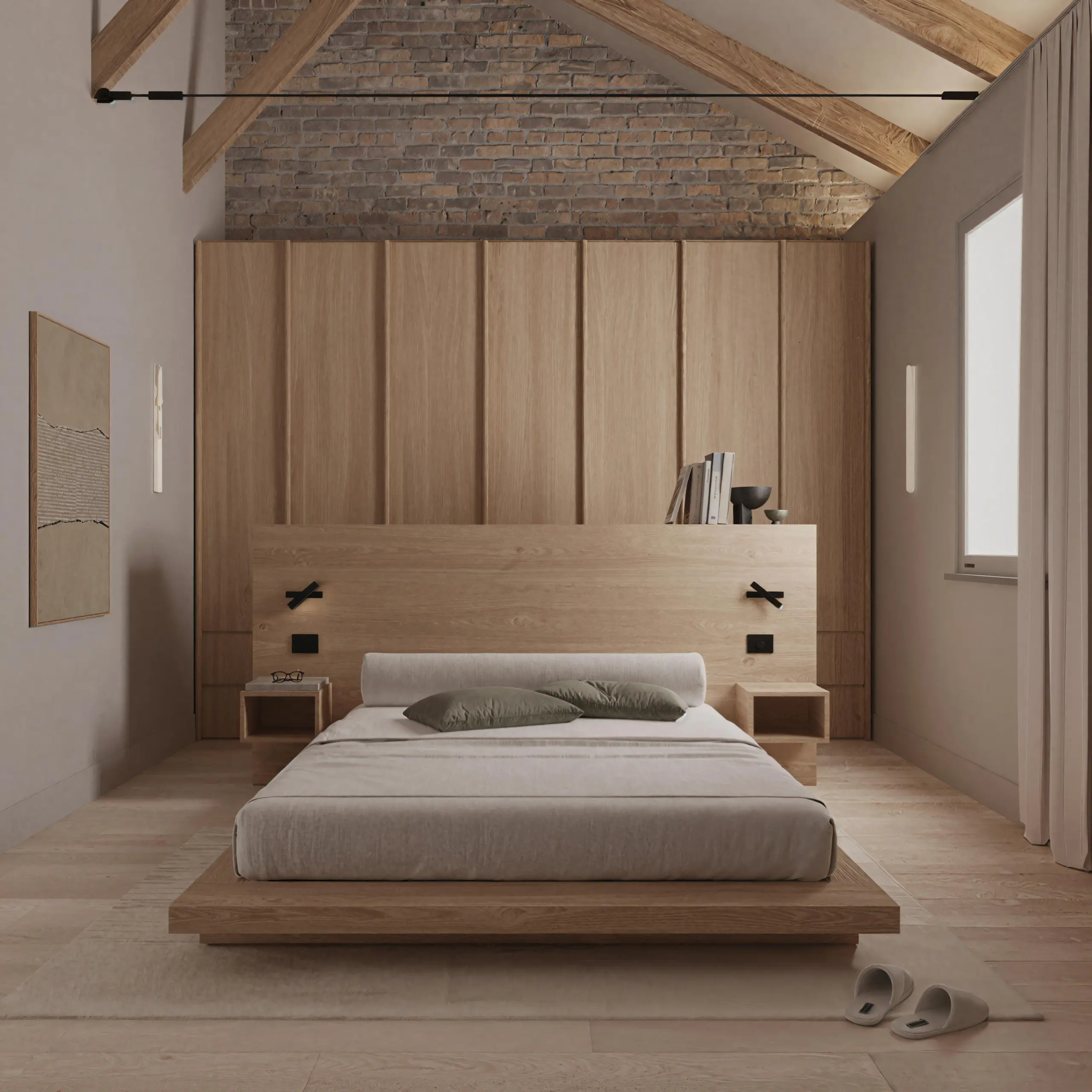
The architectural visualization industry is undergoing one of its most significant shifts in decades (and the impact goes far beyond design studios). AI-powered rendering, 3D product animation, and interactive visualization platforms are now active tools in the marketing and sales strategies of furniture brands, tile and surface manufacturers, and construction firms. The question is no longer whether these tools will change how your business sells. It’s whether you’ll be using them before your competitors do.
New creative possibilities
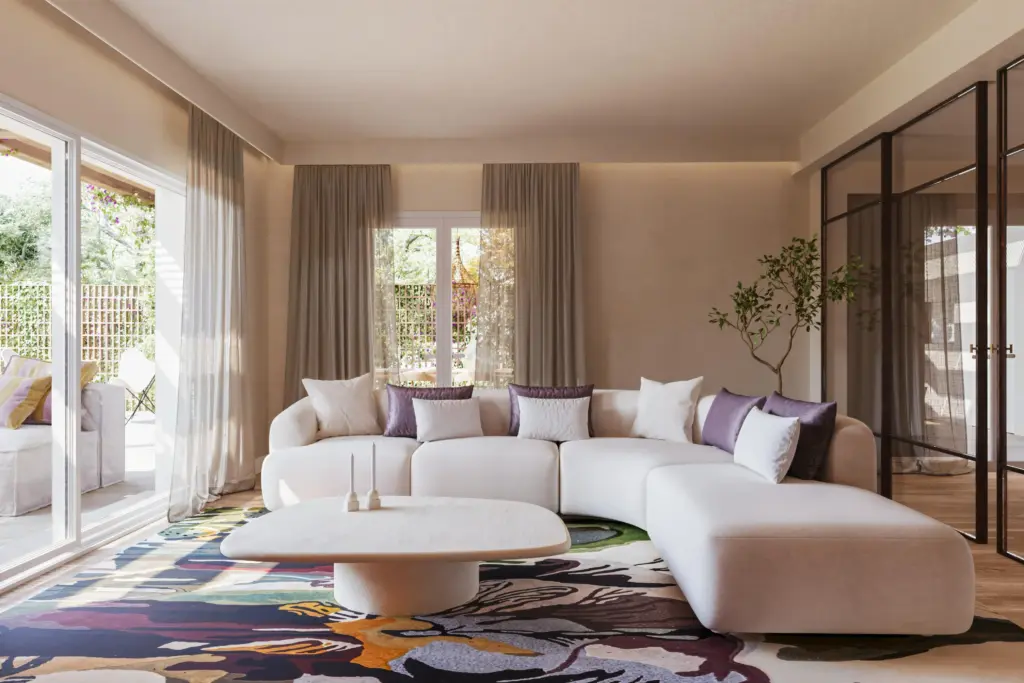
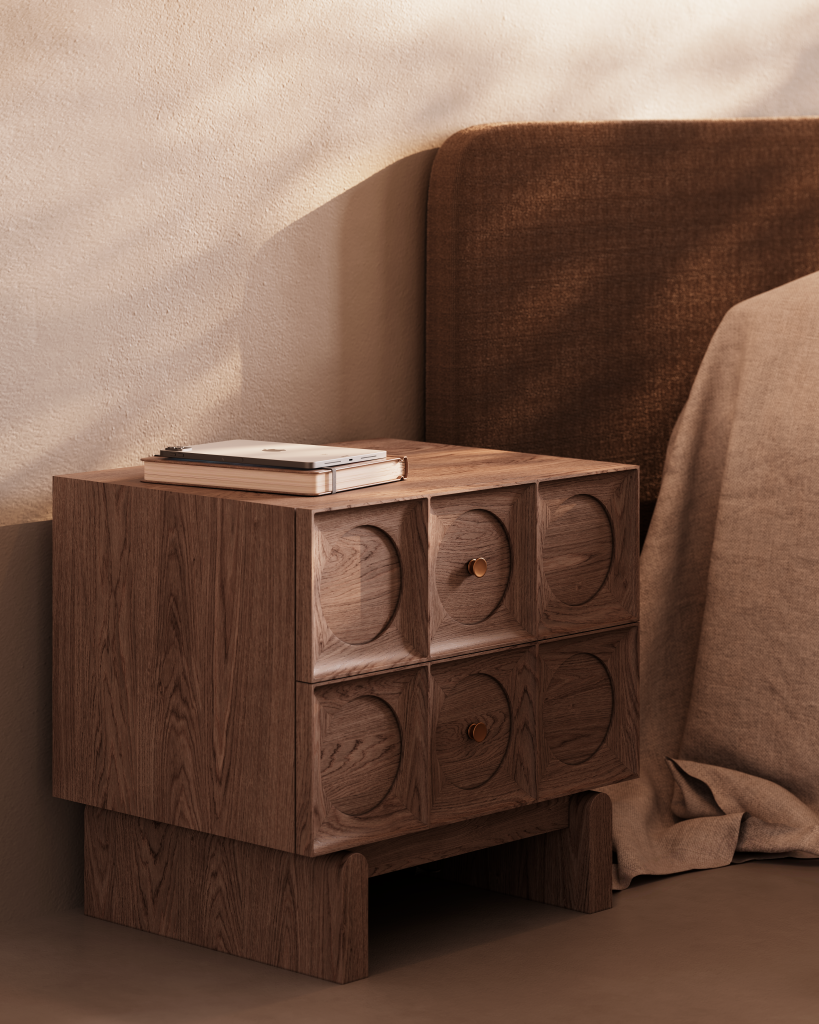
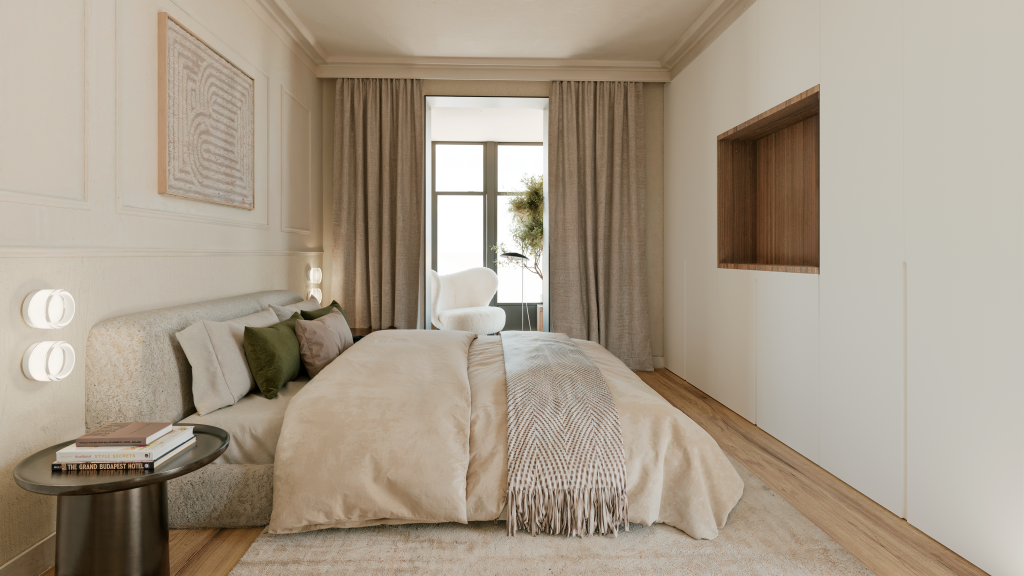
For years, producing a photorealistic render meant hours of manual setup and overnight processing times. That barrier has collapsed. Diffusion-based AI tools now generate style, material, and atmosphere variations in a fraction of the time; meaning a single production session can yield a full range of contextual visuals. For furniture brands and surface manufacturers, this translates directly into scalable catalog assets – the same product shown across ten different environments, without ten separate shoots.
1. Predictive AI: knowing what will sell before you produce it
The next frontier isn’t just faster production – it’s smarter production. Advanced AI systems are now analyzing purchase behavior, search trends, and consumer patterns to anticipate which styles, material combinations, and atmospheres will resonate with specific buyer profiles before a single asset is produced. For furniture brands launching seasonal collections, this means making product decisions based on real market signals rather than internal assumptions.
Why is 3D animation so important?
Human attention follows movement – that’s not marketing theory, it’s biology. Brands that have internalized this are no longer competing only on image quality. They’re competing on their ability to trigger a reaction. Presentations that include professional 3D animation consistently report 25-30% higher conversion rates and 35-40% reductions in purchase decision time.
1. 3D animation: a conversion tool most brands are underleveraging
For a furniture brand, showing a collection in motion (different configurations, materials, and settings flowing on screen) creates a product experience no catalog photograph can replicate. For tile and surface companies, animation reveals what images never can: how light moves across a finish throughout the day, how a pattern redefines the scale of a room.
2. Two tools, two moments in the sales funnel
3D animation and 360° virtual tours are not competitors, they serve different stages of the commercial process. Animation works at the top of the funnel: trade shows, social campaigns, first client meetings. Its job is to generate desire. The virtual tour comes later, when the buyer is already interested and needs to explore at their own pace. Using them in the wrong order means leaving half their commercial potential on the table.
When the data speaks, a real case
Not long ago, we worked on a luxury residential project in the Canary Islands. A boutique-concept development targeting both domestic and international buyers, with units designed for long-term stays and on-demand acquisition. The client had renders. Good renders. But they needed something that would work just as well in a meeting room in Madrid as in a presentation to a European buyer who had never set foot on the islands.
We produced the animation. The result was unambiguous: reservations accelerated. Not marginally – the client directly attributed the video as the central piece of their commercial strategy. The cinematic content did something the renders couldn’t; it conveyed the lifestyle the project was selling, the light of the Canary Islands, the quality of the spaces, the feeling of already being there before ever arriving.
For a developer operating in a market as competitive and as demanding as luxury residential in the Canary Islands, advanced visualization stops being a complement the moment a buyer makes their decision from a screen, thousands of miles away, without having visited the project. The question is not whether you can afford an animation. It’s whether you can afford for your competition to have one and you don’t.
The time to adapt is now
The numbers are hard to ignore. In 2020, just 15% of architectural visualization projects in Spain included animation. By 2024 that figure reached 43%, and projections point to exceeding 65% before 2027. This trend reflects what commercial teams are seeing firsthand in their own meetings: projects presented with professional dynamic formats report 35-40% reductions in purchase decision time and 25-30% increases in conversion rates.
Producing this kind of content is not just a question of technology. It requires understanding how to narrate a space that doesn’t yet exist, how to build visual tension, where to place the camera and when to let it hold still. It involves storyboarding, dynamic lighting direction, and cinematic post-production. When done well, the result doesn’t look like a project video. It looks like a story the viewer has already placed themselves inside.
That is what is redefining the industry. Not the tool itself, but the understanding that what is being sold is not an image in motion, it is the ability to make someone desire something before it exists. The brands and developers that grasp this now won’t be following a trend. They’ll be setting the standard everyone else will have to meet.
Ready to make your product impossible to ignore?
If your brand is still relying on static imagery to compete in a market that has moved on, now is the time to close that gap. Whether you’re a furniture manufacturer looking to scale your visual catalog, a tile brand preparing a new collection launch, or a developer presenting projects to international buyers, we can help you build the visual assets that convert. Let’s talk about what’s possible for your next project.